
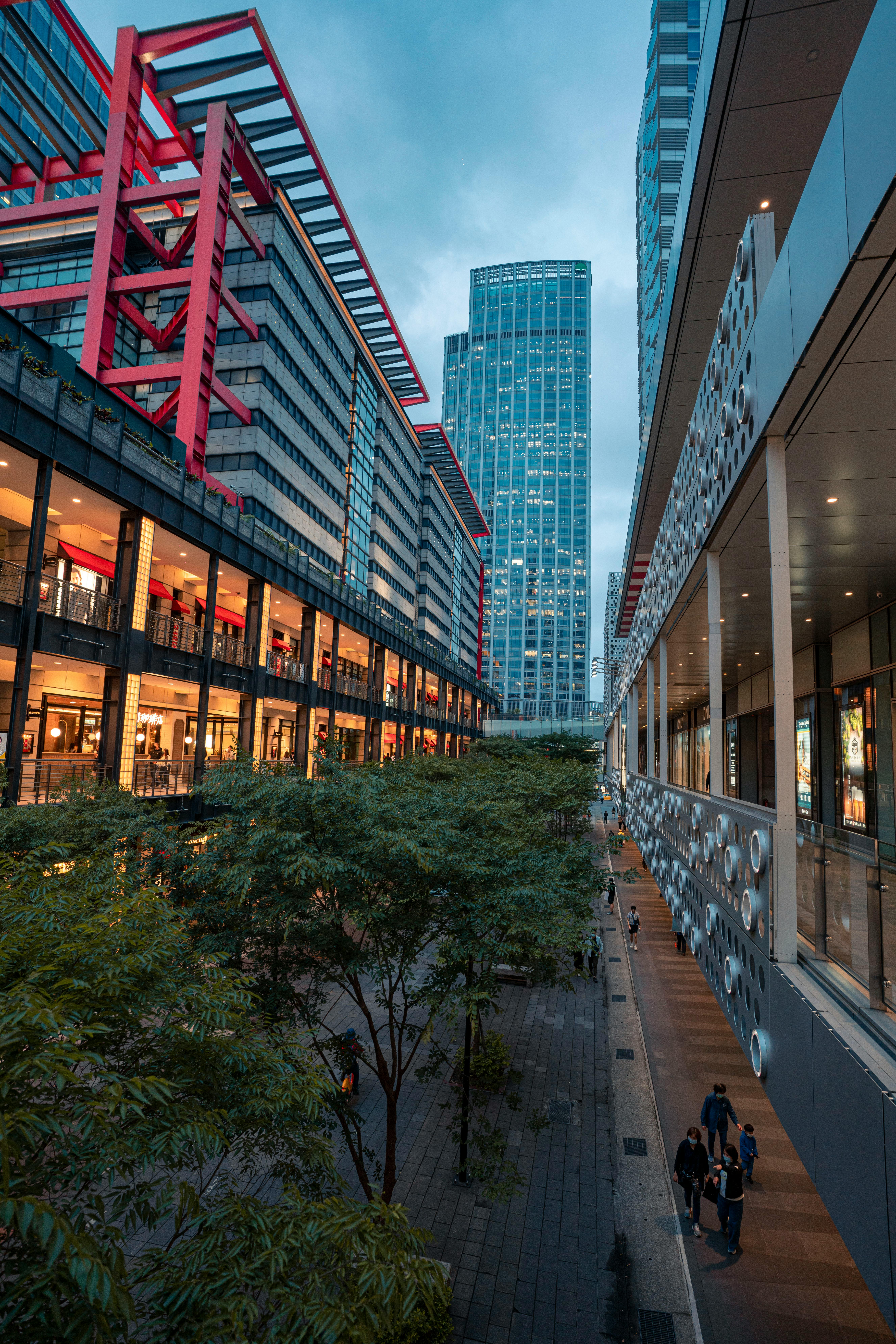
Recent research and project reporting across the industry point to a consistent pattern: retail is influencing how mixed-use environments function at street level.
Mixed-use developments are often described in terms of balance: residential stabilizes occupancy, office supports daytime presence, hospitality contributes visibility. Industry observations suggest that retail often shapes how people actually move through a place once it opens.
Across multiple recent projects, experts say retail keeps appearing as one of the elements that changes how a development feels in practice – not necessarily because it is the largest component; more often, because it influences the ground-level experience where decisions about returning, lingering, or leaving often happen.
Activity patterns often begin at the storefront level
In many mixed-use environments, storefront uses help establish morning, midday, and evening activity patterns: coffee traffic establishes morning movement, lunch activity redirects circulation, evening dining shifts where people gather after work hours, and weekend visits introduce a different audience entirely.
But these patterns do not stay contained within retail frontage. They affect residential routines, they can influence how office tenants perceive convenience within a property, and they can shape how public space is used.
Industry research reflects how strongly people now respond to environments where daily needs sit within walking distance of each other. Cushman & Wakefield recently pointed to continued demand for integrated live-work-shop-dine settings across U.S. markets. This is a trend that has been growing for years, and it reinforces the role retail continues to play within many mixed-use environments.
Leasing conversations are changing in subtle ways
Retail has traditionally entered planning conversations later in some mixed-use development cycles. That sequence appears to be shifting in some projects, especially where amenity expectations are part of early positioning.
Residential marketing materials increasingly reference proximity to services. Office tenants continue to evaluate convenience as part of relocation decisions. Visitors often respond differently when a site supports multiple purposes within a single trip.
Market conditions reinforce that timing shift. CBRE’s 2025 retail outlook highlights strong competition for well-located retail space alongside limited new supply. Both factors influence how developers think about placement within larger programs.
It seems that retail does not replace other uses in these conversations; instead, it often appears to connect them.
Identity often becomes visible through smaller tenants first
Some observers note that signals of neighborhood alignment often show up at storefront scale rather than skyline scale – that local restaurants, service operators, and smaller-format retail can communicate familiarity faster than large anchors.
Design research suggests teams are responding accordingly. DLR Group’s recent mixed-use research points to retail as one of the components most closely tied to placemaking outcomes and public engagement within newer developments.
These trends indicate that retail alone does not define identity; rather, it often translates identity into something people experience day to day.
Visit duration is becoming part of the conversation
Market research also shows that another pattern appears once projects begin operating: some mixed-use environments support quick visits, while others encourage longer stays that extend across several uses.
Convenience retail supports routines. Fitness and service tenants extend midday activity. Dining shifts evening behavior. The cumulative effect is often described as more consistent activity across different times of day.
Coldwell Banker Commercial recently described this transition as part of a broader shift toward experience-oriented retail functioning as a central layer within walkable mixed-use environments. The distinction is subtle but visible once a project begins to establish its patterns.
Timing inside the planning process is changing as well
One of the quieter shifts discussed across recent projects involves when retail enters strategic discussions. In several recent developments, storefront positioning appears earlier in conversations about access, circulation, and frontage relationships.
That does not suggest a single approach applies everywhere. Industry experts know that site conditions still lead the process, and market expectations still vary. Even so, sequencing decisions around retail are increasingly being linked to how properties are expected to operate after opening rather than simply how it leases before delivery.
Across many mixed-use environments now coming online, retail appears less isolated from the rest of the program than it once was. It continues to influence circulation, identity, and the overall experience of being on site in ways that are easier to recognize after construction is complete.
Industry discussions increasingly focus on how people respond to environments after delivery and what those responses suggest about early planning decisions. Retail continues to surface as one of the elements most consistently connected to those outcomes.
